Surface the truth
Gather friction before the room can filter it through hierarchy.
PARTICIPATE
The All Hands on Deck
THE PROVOCATION
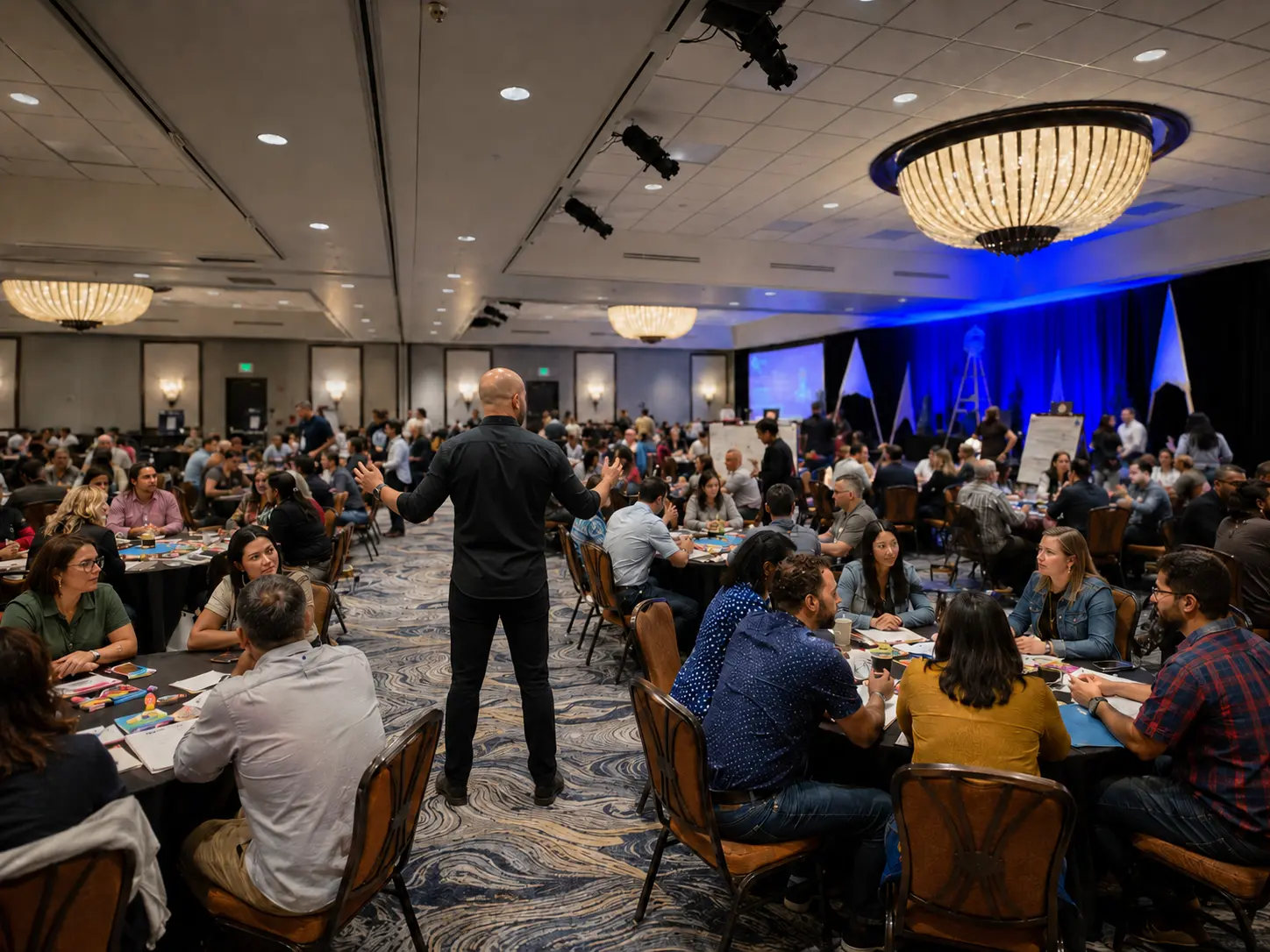
A software CEO asked for a problem-solving session that felt collective. The company had problems to confront ahead of its annual All-Hands meetup, and the leadership team needed a way to funnel the voices of 150 team members into a unified prioritiy list in a way that also doubled as a team building exercise.
THE SITUATION
Titles, confidence, proximity to leadership, and conversational horsepower could easily determine which problems received attention. Meanwhile, quieter employees, remote participants, and people closer to the day-to-day friction risked becoming an audience for decisions about their own work.
“We need a problem-solving session that feels collective.”
THE INTERVENTION
The experience began before the meetup. Employees identified problems remotely, creating an input channel that did not depend on speaking first, speaking loudly, or holding the right title.
Gather friction before the room can filter it through hierarchy.
Build mixed-perspective teams instead of familiar power clusters.
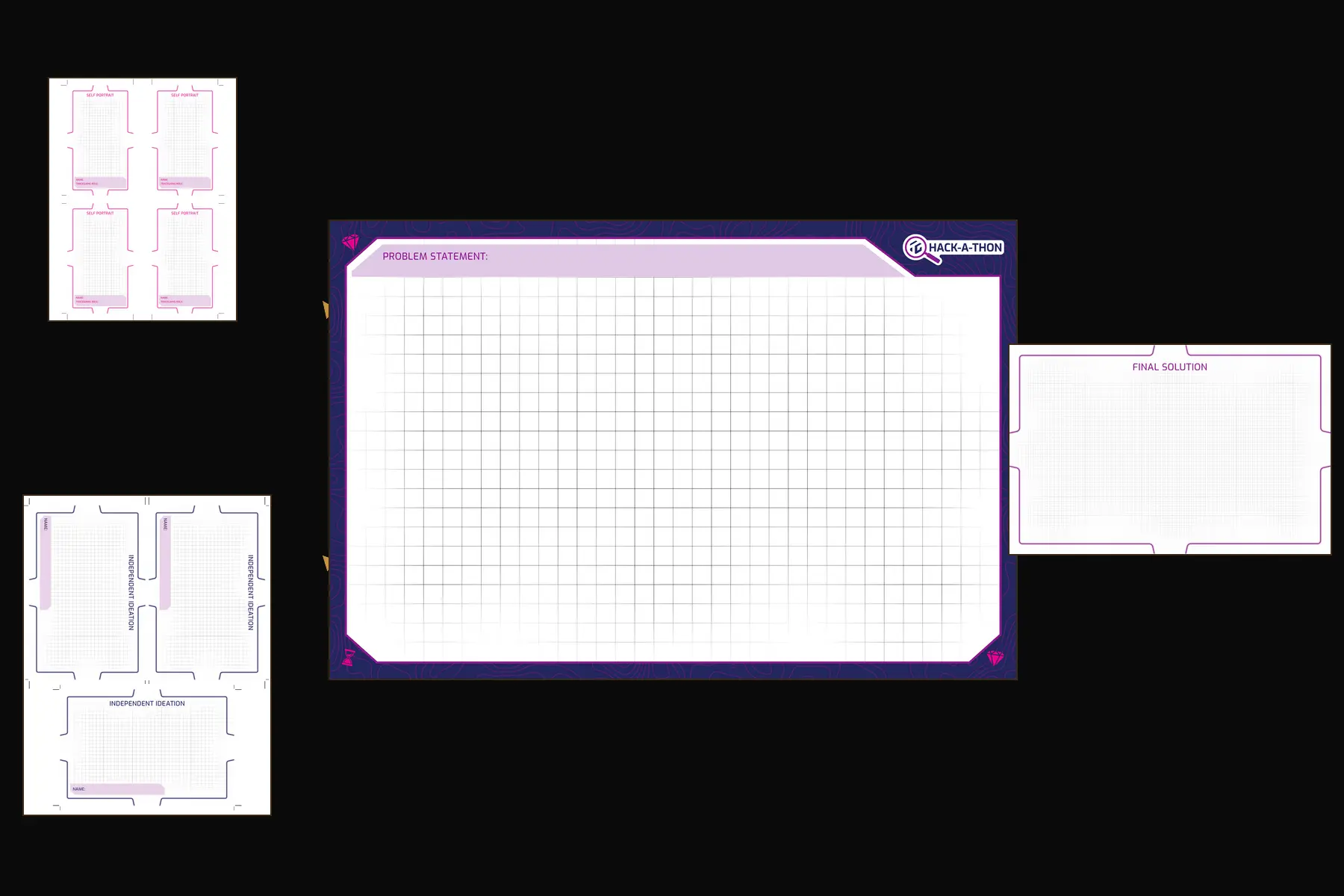
Give people physical structures that turn discussion into visible progress.
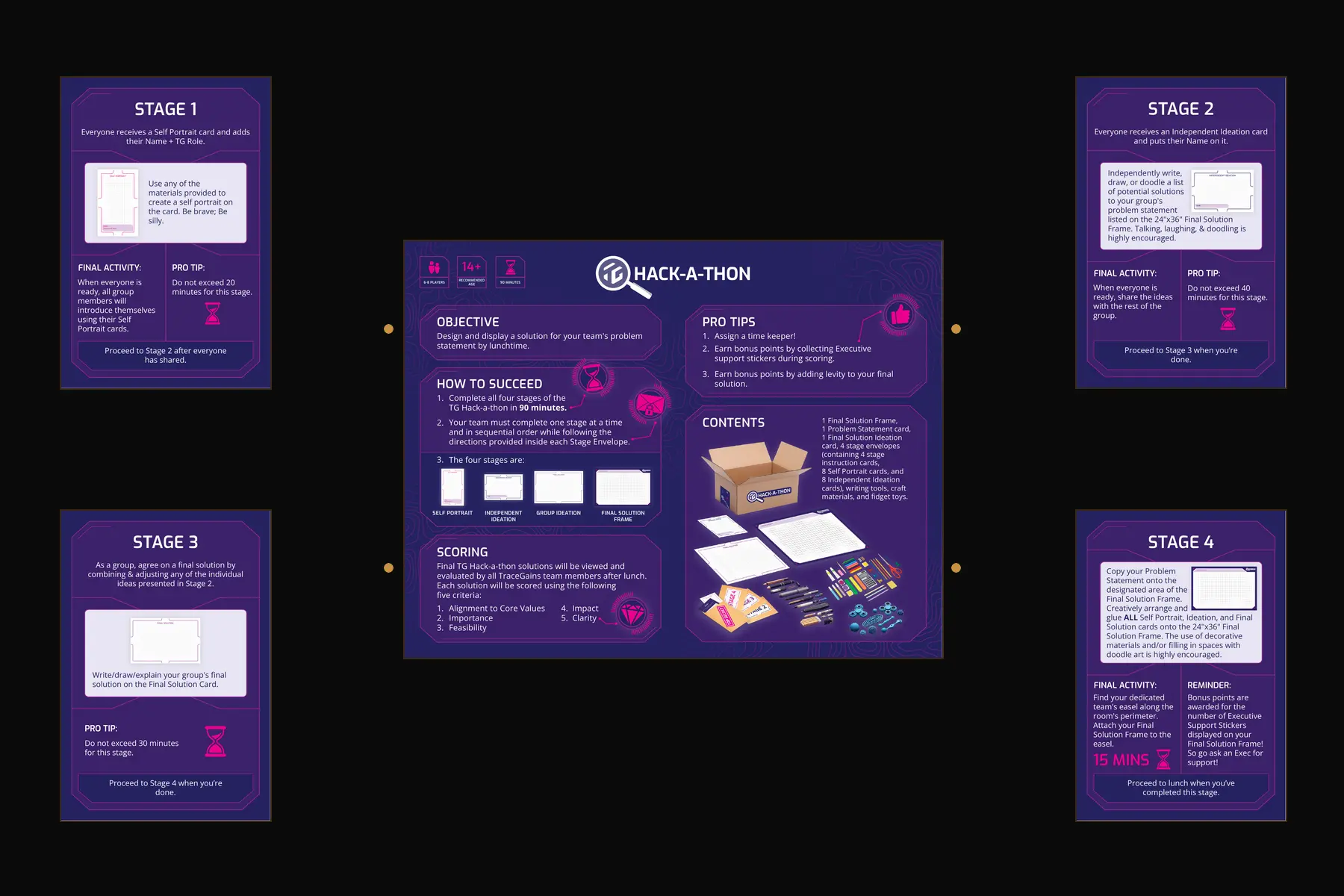
Move every group from individual thought to one accountable proposal.
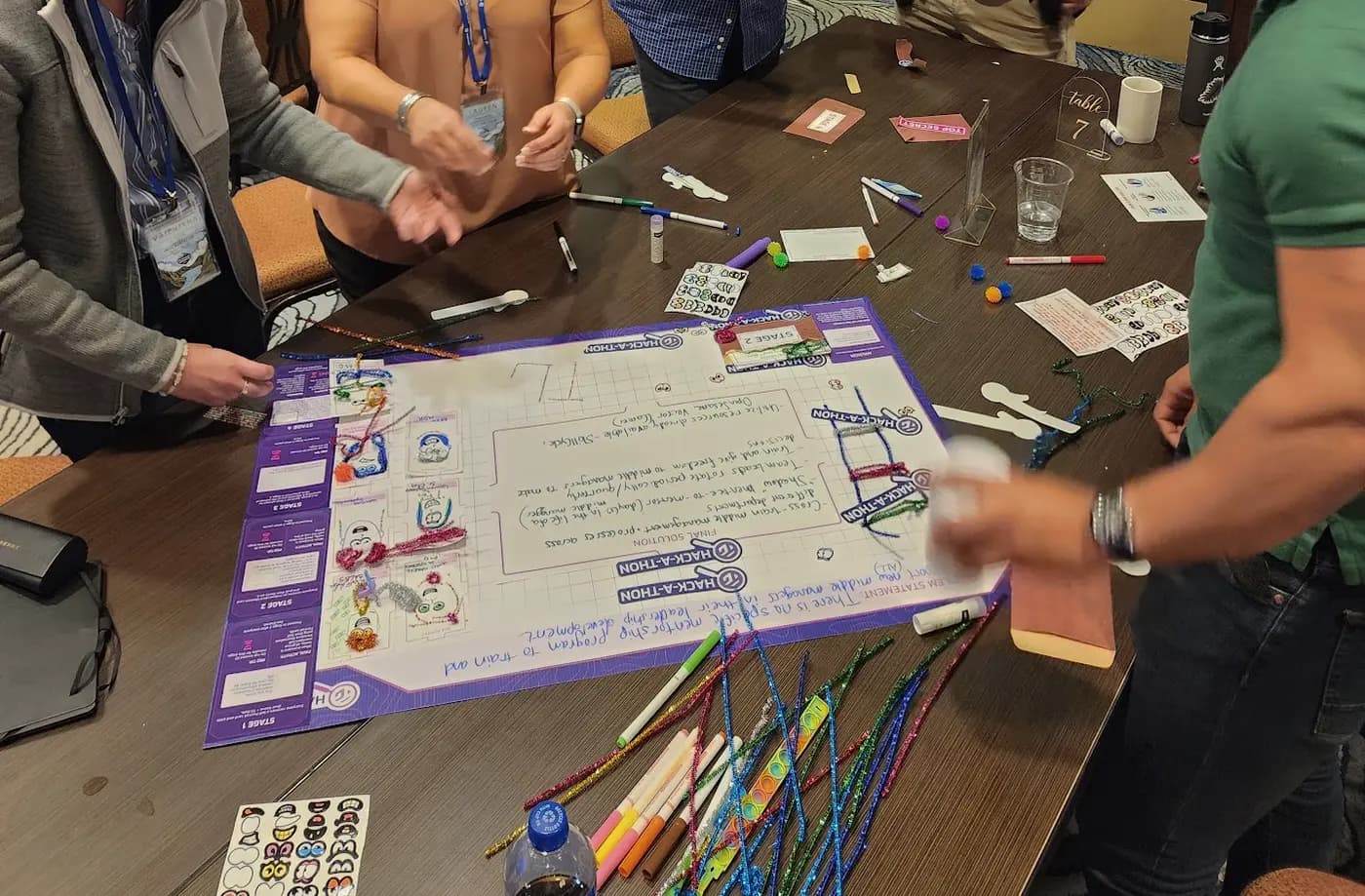
THE MATERIAL SYSTEM
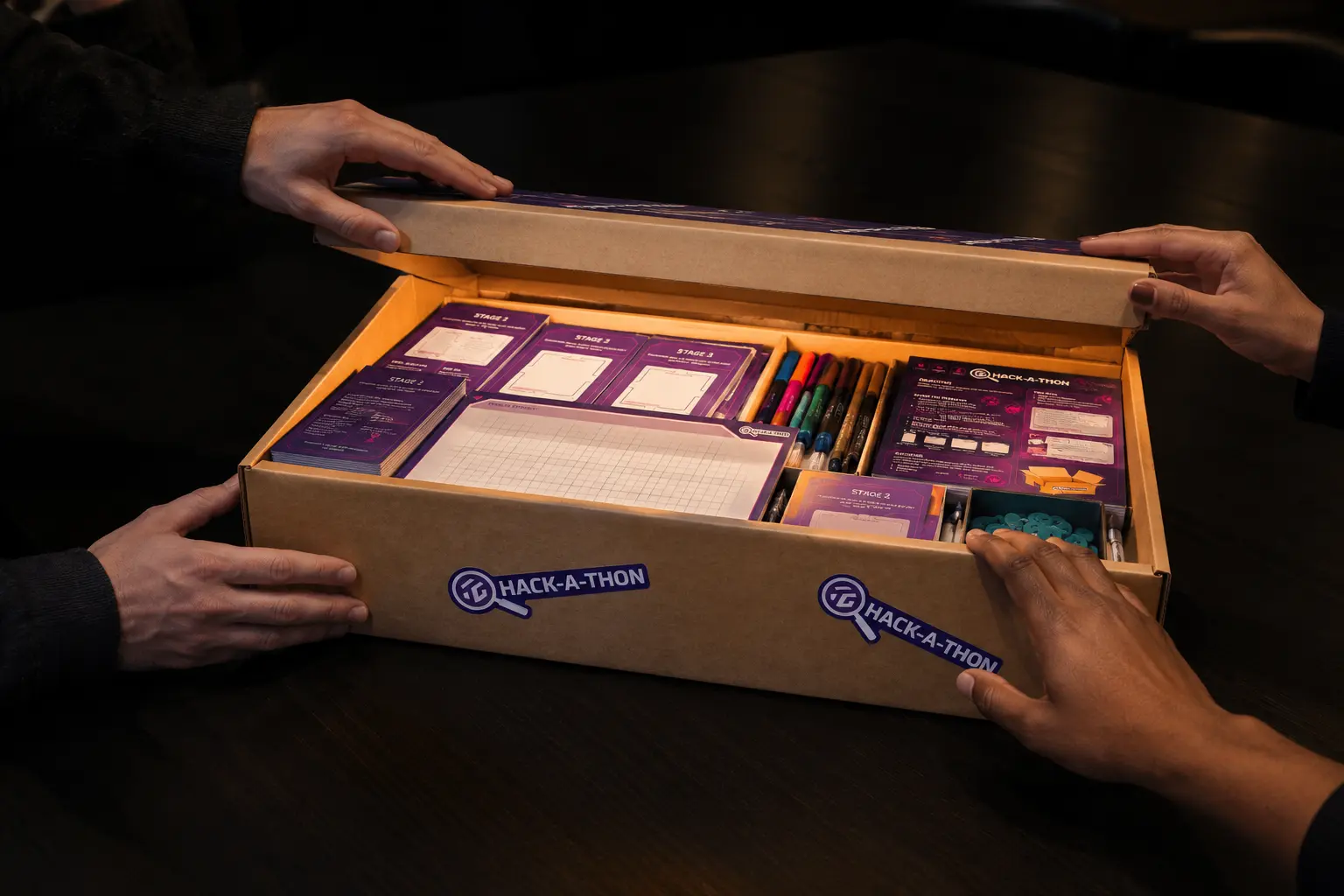
Every component told participants what to do, when to do it, and how their individual thinking would become a shared decision.
MY ROLE
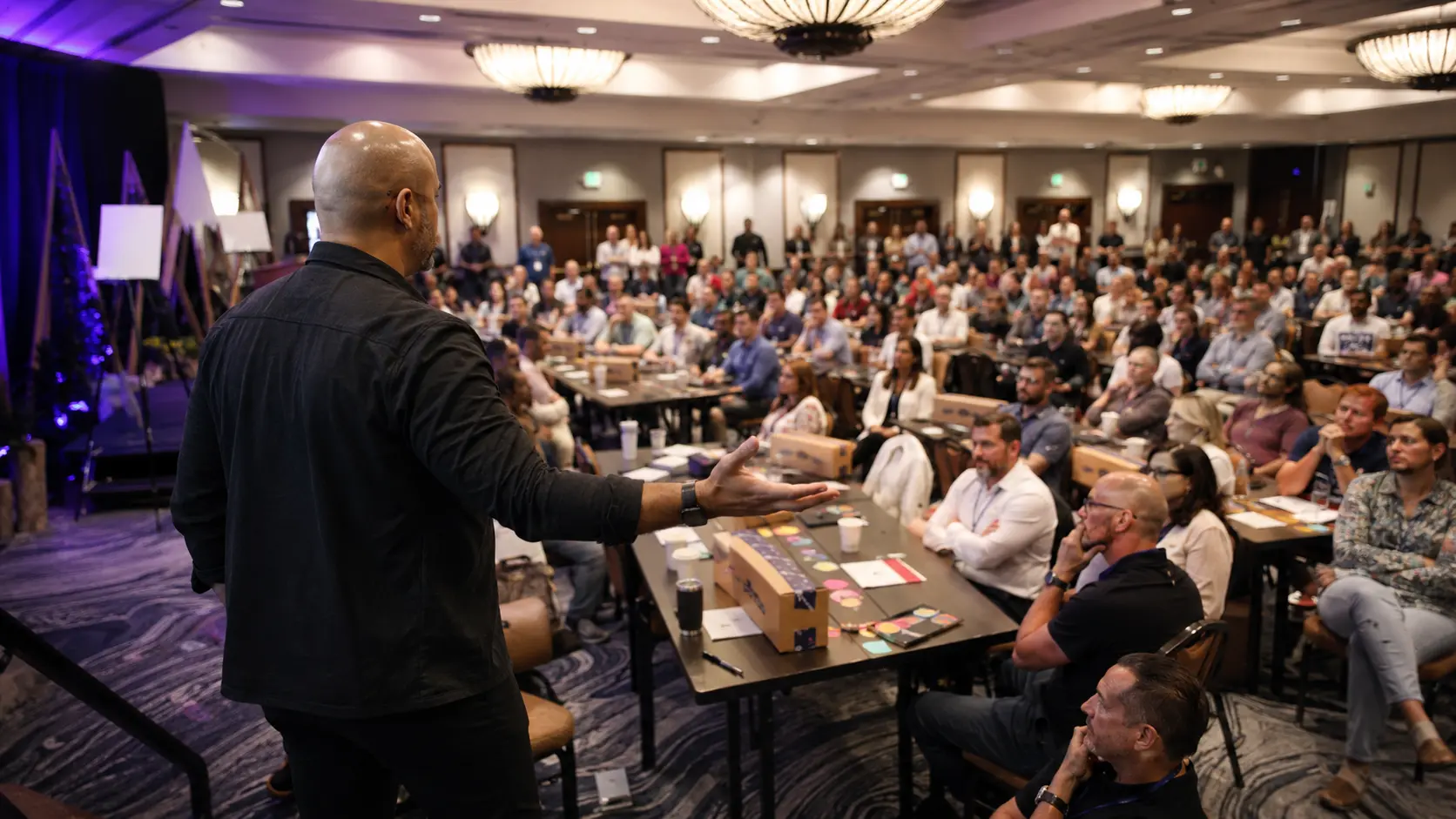
I shaped the premise, designed the mechanics, directed the materials designer, aligned leadership, facilitated the room, protected the pace, and kept 150 people moving toward a decision. My job was not to decorate a workshop. It was to create the conditions in which a company could see its problems together, decide together, and leave with enough ownership to act.
WHAT HAPPENED
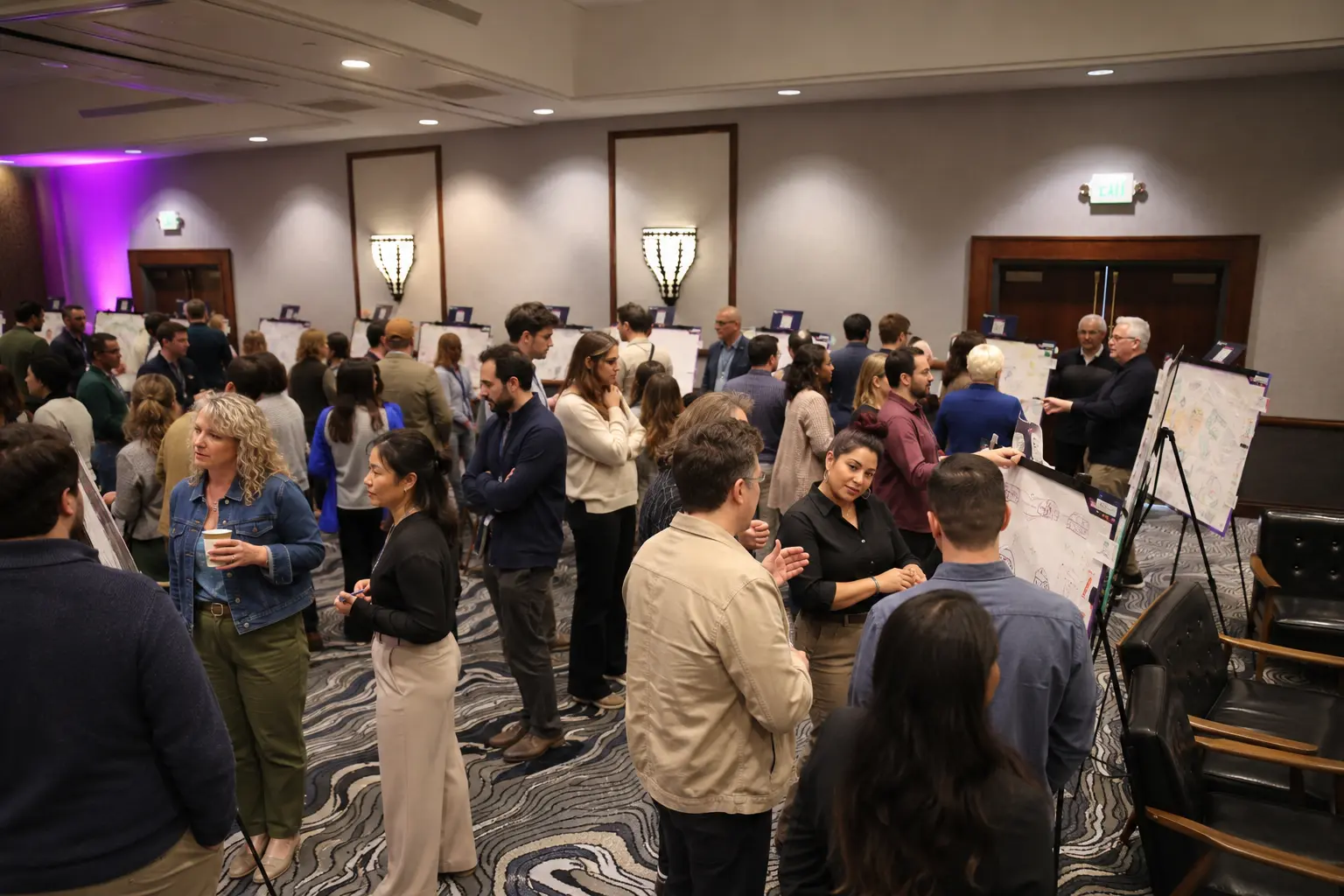
Participants moved from anonymous friction to visible proposals, public review, and shared judgment. The company identified and prioritized its most consequential problems, then implemented the three ideas the room believed mattered most.
THE TRANSFERABLE PRINCIPLE
The work was not the workshop. The work was redistributing ownership of the company's problems to the people capable of changing them.