Find the inaccessible experience
Career exposure depended on students physically reaching places their school could not routinely take them.
CONNECT
Azimuth
THE SITUATION
I was a high school guidance counselor serving a school where roughly 98% of students qualified for free or reduced-price lunch.
Meaningful career exploration often required leaving the building: visiting workplaces, meeting professionals, seeing unfamiliar industries, and experiencing environments students might someday imagine themselves entering.
Those experiences required transportation, money, relationships, and time. Our students had limited access to all four.
How are students supposed to imagine themselves somewhere they've never had the opportunity to see?
THE PROVOCATION
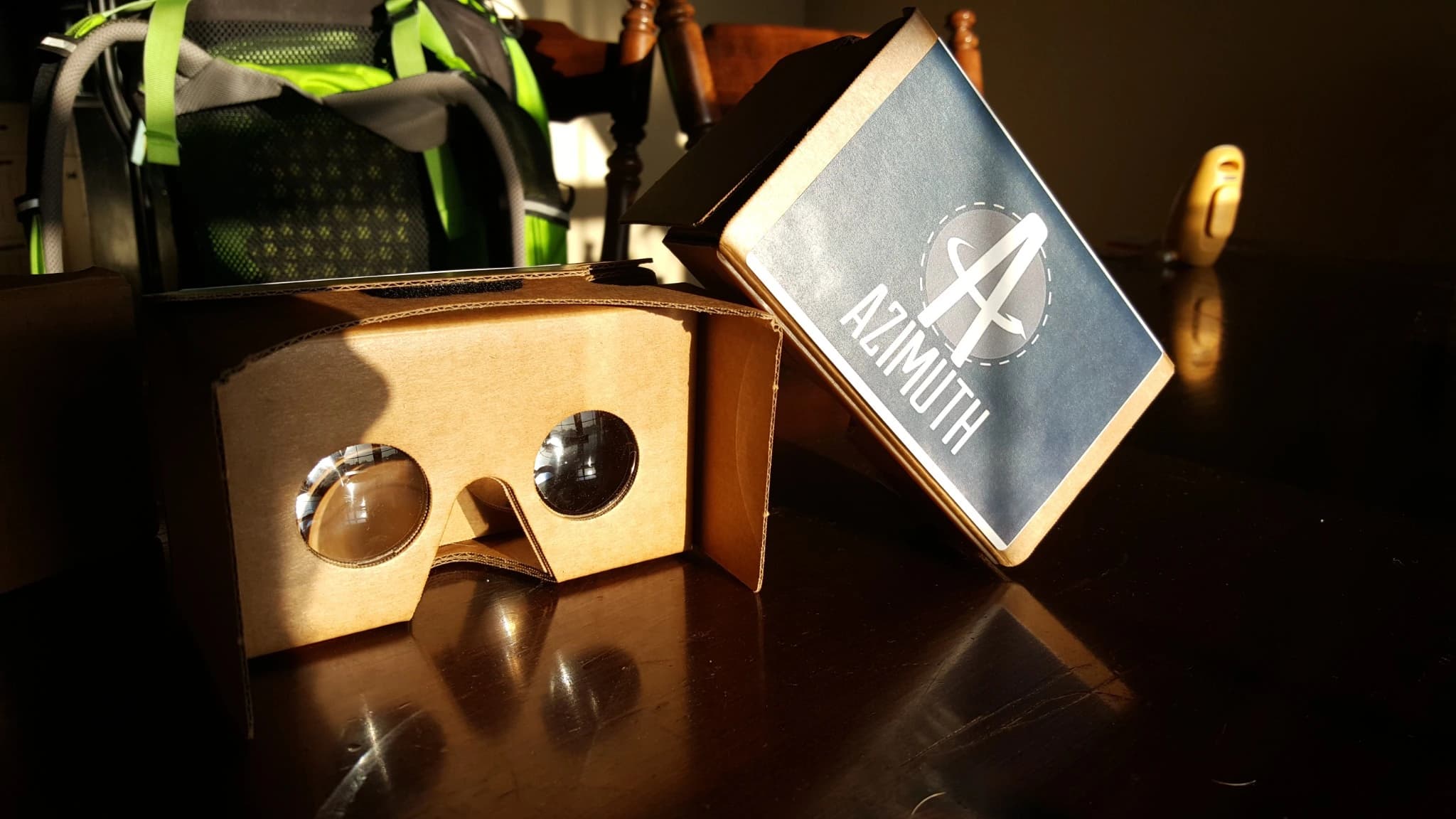
In 2015, inexpensive virtual reality was just beginning to make immersive experiences accessible through smartphones and simple cardboard viewers.
I proposed using 360-degree video to put students inside workplaces they might otherwise never have the opportunity to visit.
Instead of explaining a career from the outside, the Azimuth project would let a student look around the environment where that work actually happened.
THE BET
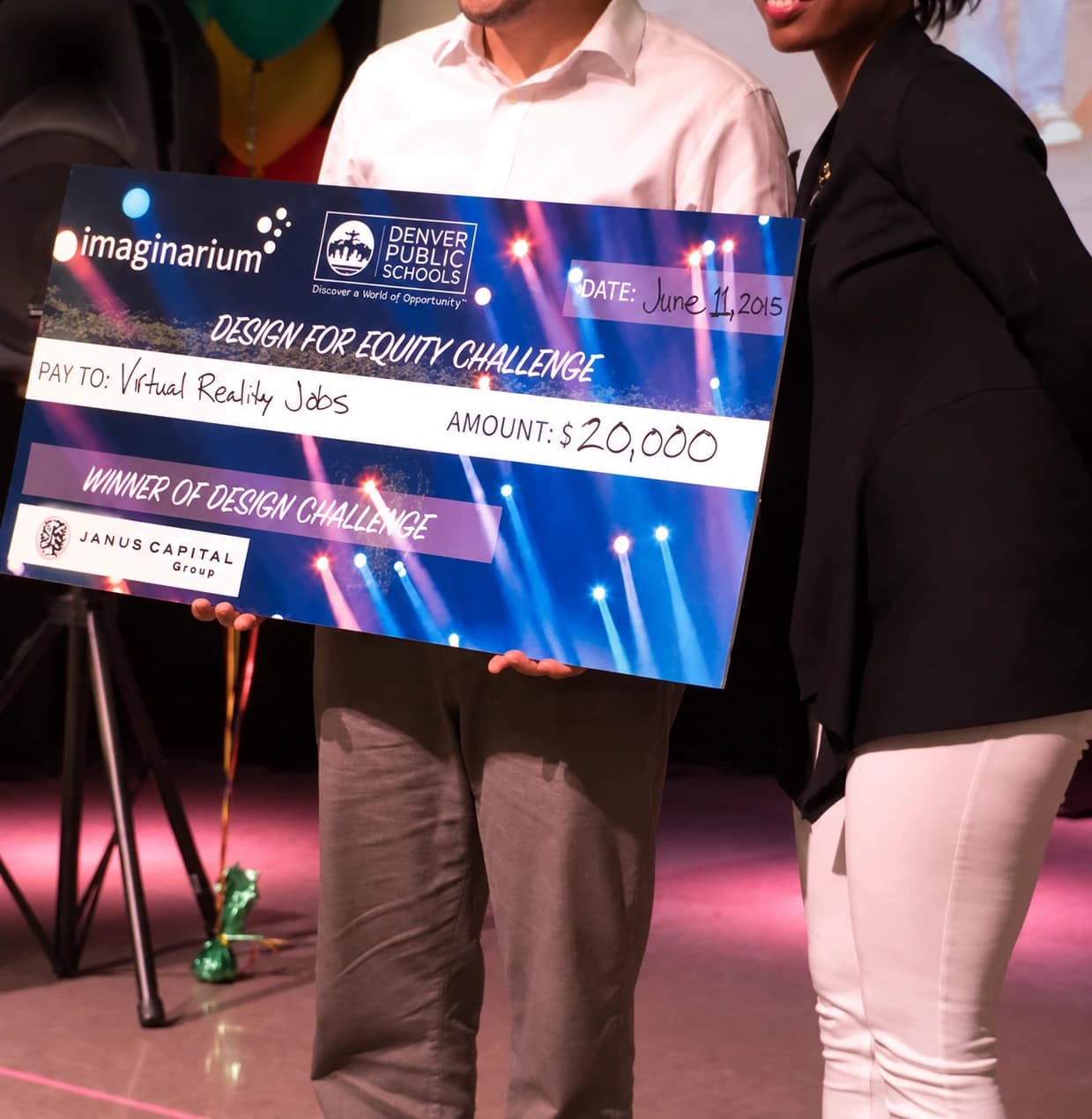
I entered Azimuth into Denver Public Schools' Imaginarium Design for Equity Challenge.
It won.
THE INTERVENTION
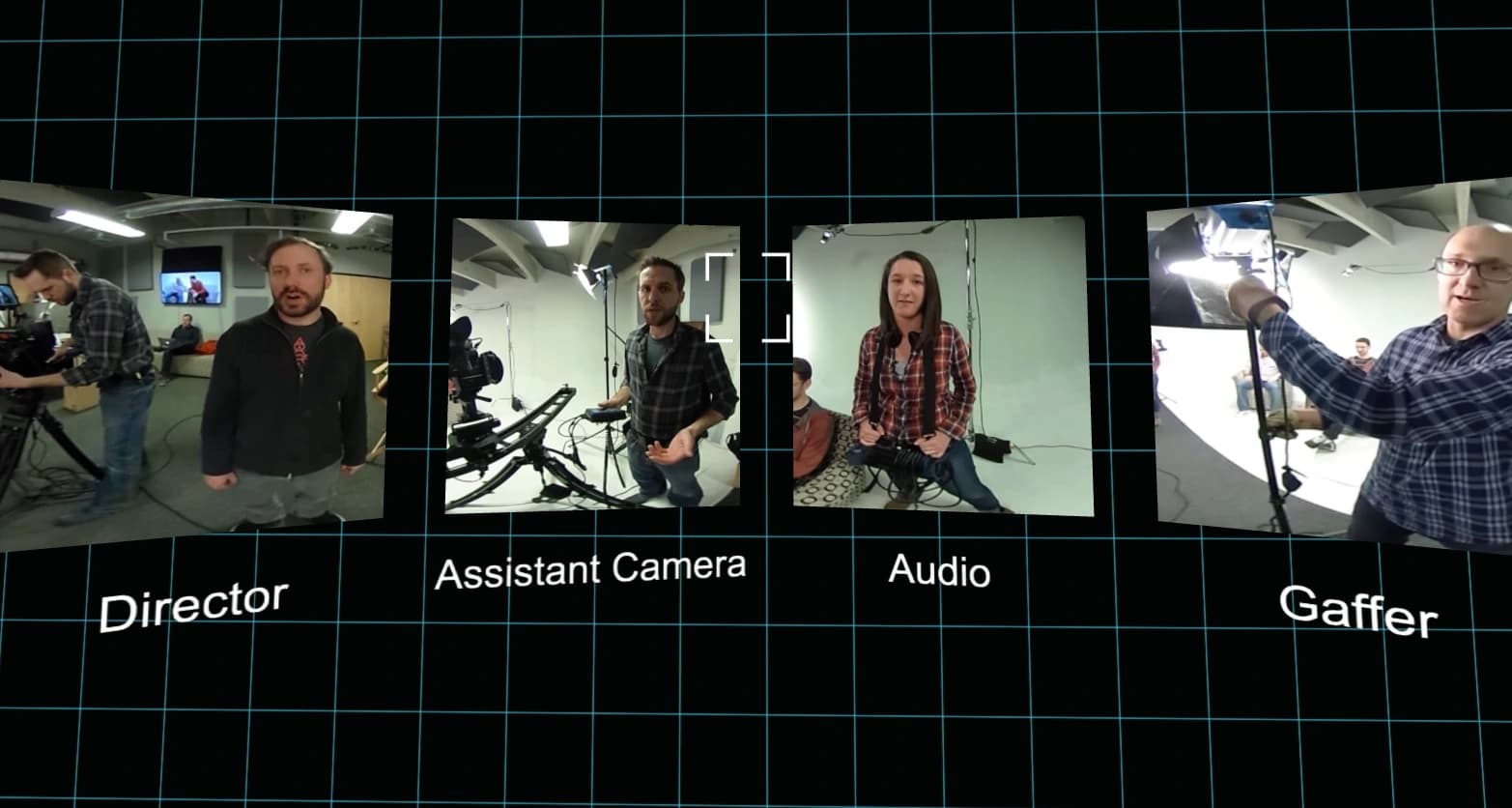
The prototype focused on one initial career environment: video production. Working with a small group of collaborators, I developed an immersive experience that allowed students to enter a production environment and encounter the roles inside it.
Career exposure depended on students physically reaching places their school could not routinely take them.
Use inexpensive smartphone VR and 360-degree video to bring the workplace into the school.
Prototype the concept around video production rather than trying to create an entire career library at once.
Let students explore the environment spatially and encounter the people, equipment, and roles that made the work happen.
ENTER THE WORKPLACE
The experience used 360-degree footage from a video production environment. Students could physically turn and look around the scene, encountering roles such as director, assistant camera, audio, and gaffer in context.
The distinction mattered. Career information became less abstract when the environment, people, tools, and relationships between them could be experienced together.
THE EXPERIENCE WORKED
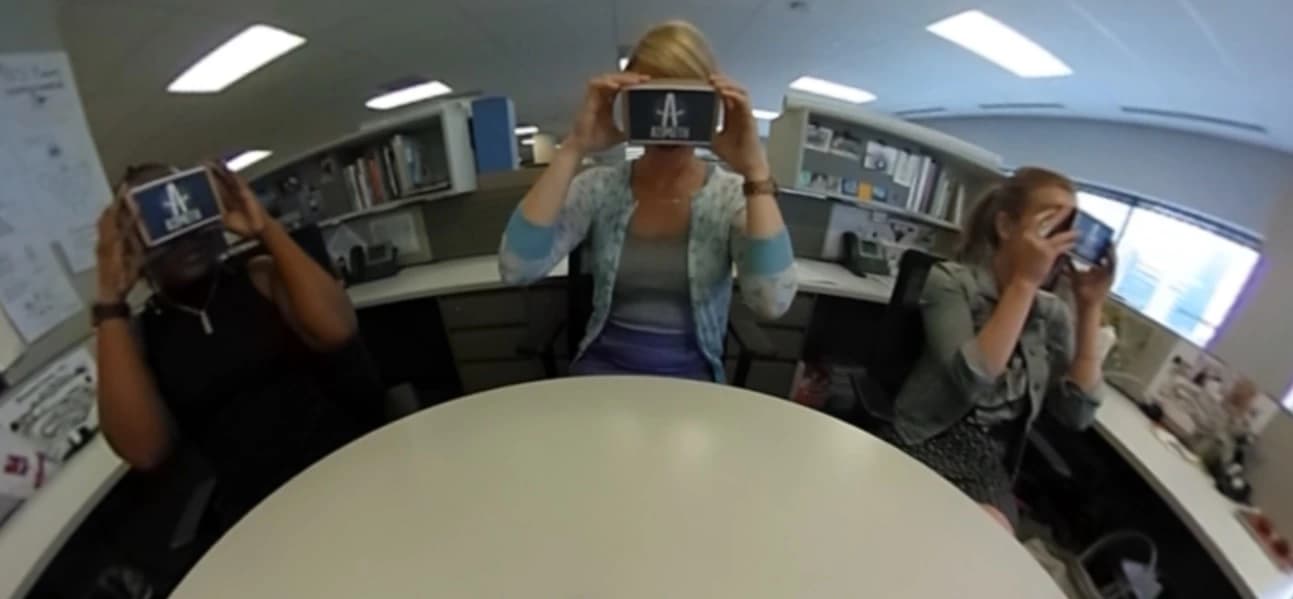
The prototype was tested with approximately 150 participants. Feedback suggested that the immersive format was engaging and capable of increasing curiosity about the career being explored.
THE BUSINESS DIDN'T
Winning the challenge changed my perception of what Azimuth could become. I left my position in education and pursued the idea as a venture. Twenty thousand dollars felt like enormous startup capital.
It was not.
Producing one compelling prototype and building a scalable library of immersive career experiences were completely different challenges. Development consumed the available funding quickly. Additional investment never materialized, and Azimuth never progressed beyond the prototype stage.
A validated experience is not the same thing as a viable business.
ONE STRANGE FOOTNOTE
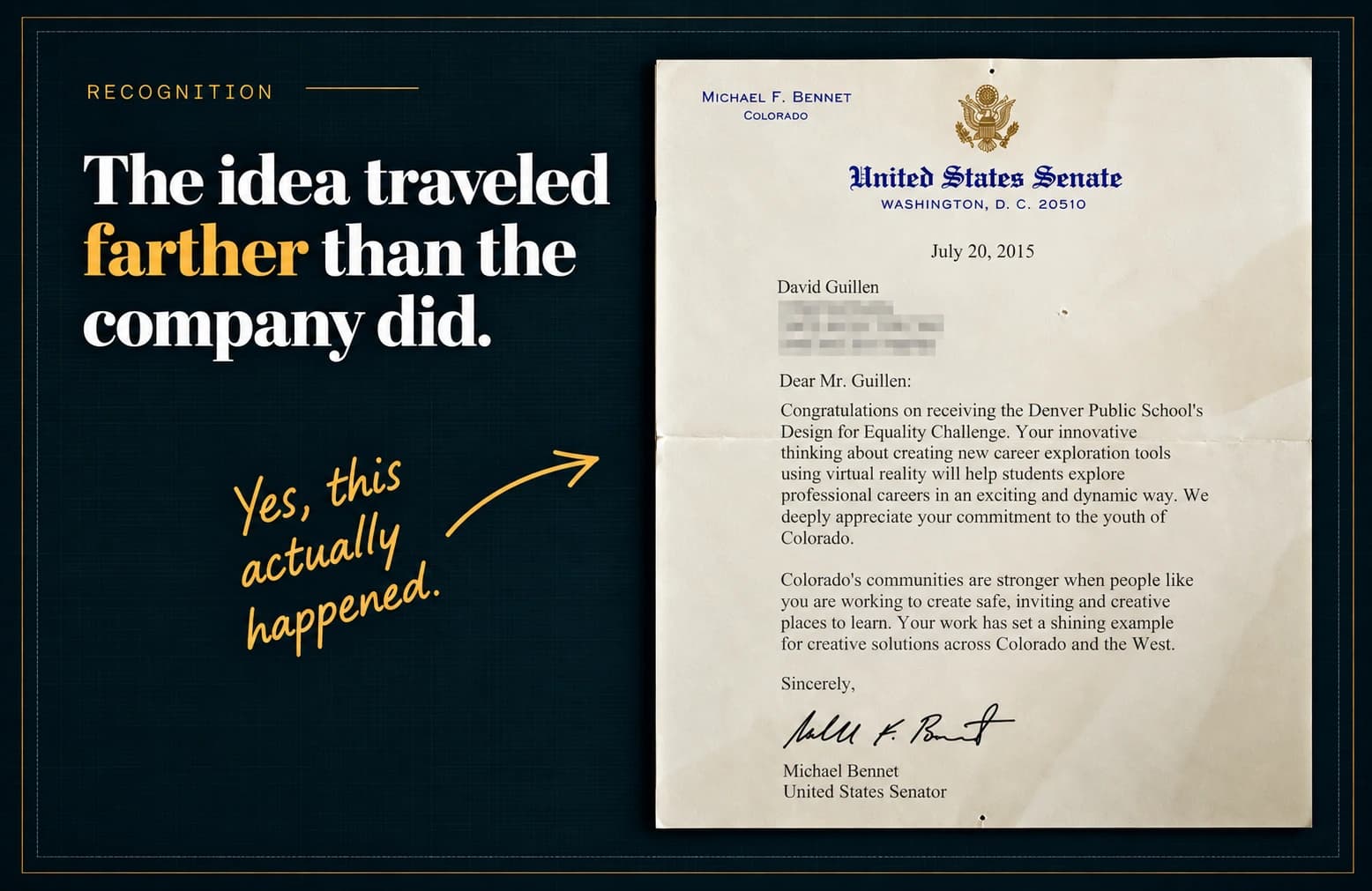
Shortly after the Design for Equity Challenge, I received a letter from U.S. Senator Michael Bennet recognizing the project's approach to career exploration and its potential to help students encounter professional careers in a more dynamic way.
Azimuth would never become the company I imagined. But the problem it was trying to solve clearly resonated.
MY ROLE
I identified the access problem, conceived the experience, pitched and secured prototype funding, shaped the instructional approach, coordinated collaborators, participated in production, tested the experience, and attempted to turn the prototype into a viable venture.
I also learned where my own capabilities ended. The experience required production, technology, capital, distribution, and business infrastructure far beyond what one person and a $20,000 prototype grant could realistically provide.
WHAT HAPPENED NEXT
Azimuth never became the career exploration platform I imagined.
But pursuing it caused me to leave traditional education and begin working independently as an instructional designer. That path eventually carried me into technology, product learning, customer experience, and the work represented throughout this portfolio.
The prototype didn't become my company. It reforged my own career path.
THE TRANSFERABLE PRINCIPLE
Access is more than availability. Sometimes people need enough of an experience to picture themselves participating in it.
When physical, financial, or institutional barriers create distance, design can sometimes bring the experience closer.